GLUTAMIC ACID
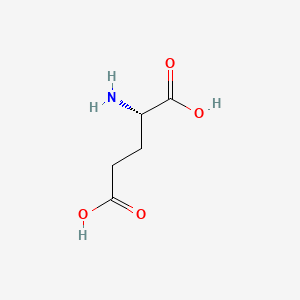
Glutamic acid is an amino acid; on an ingredient list, GLUTAMIC ACID identifies this substance, whose L form occurs naturally and is part of proteins. Glutamate is the charged form of the same compound, a chemical distinction that explains why both terms appear in different contexts without being interchangeable ingredients merely because their names are similar.
GLUTAMIC ACID: what it is
Glutamic acid is an amino acid; on an ingredient list, GLUTAMIC ACID identifies this substance, whose L form occurs naturally and is part of proteins. Glutamate is the charged form of the same compound, a chemical distinction that explains why both terms appear in different contexts without being interchangeable ingredients merely because their names are similar.
It can be obtained by hydrolysing plant proteins, such as wheat or corn proteins, or by fermenting glucose-containing raw materials. Those are possible production routes for glutamic acid; an ingredient list alone does not reveal which route supplied a particular product.
GLUTAMIC ACID: what it does in cosmetics
In cosmetics, glutamic acid can act as a humectant. In practical terms, that role helps retain water in the formulation itself, which matters for texture and for helping water-based products avoid losing water too readily during use and storage.
In hair products, it can also support conditioning and help reduce static electricity on the strands. This relates to fewer charge-driven flyaways and hair that feels easier to manage; the ingredient on its own is not a treatment for hair loss, dandruff, or hair damage.
Products containing this ingredient
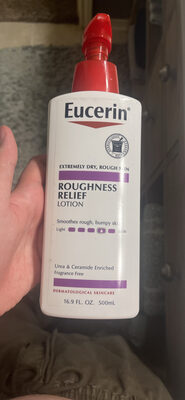
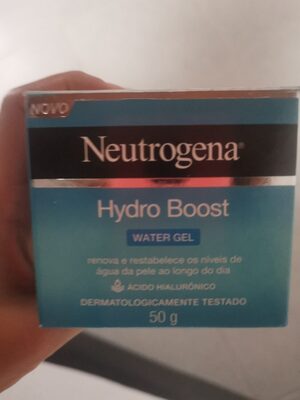
See which products include it and the name used in each composition.