CARNOSINE
Carnosine is a dipeptide made by joining beta-alanine and L-histidine. On an ingredient list, Carnosine identifies this defined molecule; it is not a botanical extract, a complete protein, or an oil. The INCI name and the common name refer to the same compound when it appears in skin-care products.
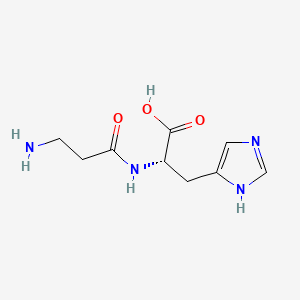
CARNOSINE: what it is
Carnosine is a dipeptide made by joining beta-alanine and L-histidine. On an ingredient list, Carnosine identifies this defined molecule; it is not a botanical extract, a complete protein, or an oil. The INCI name and the common name refer to the same compound when it appears in skin-care products.
Its short structure, built from two linked amino acids, sets carnosine apart from botanical ingredients that can vary with the species, cultivation, or plant part. The name therefore does not point to a plant raw material or reveal the origin of the carnosine in a particular product. It is a chemically identified compound that can be included in a formula at an amount chosen by its manufacturer.
CARNOSINE: what it does in cosmetics
Carnosine is listed in cosmetics as a skin-conditioning ingredient. In everyday terms, that category points to use in formulas intended to support a cared-for look and feel of the skin; it is not, by itself, a promise of moisturising, sunscreen protection, or treatment. The feel of a finished product also depends on its base and the other ingredients around it.
One study applied 0.2% carnosine to human skin explants kept in a laboratory and measured glycation markers after methylglyoxal exposure. It also tested a cream containing carnosine alongside other components and used tissue from one donor. Those findings do not show that carnosine on its own improves wrinkles, firmness, or dark spots for people using a cosmetic product.
Products containing this ingredient
See which products include it and the name used in each composition.