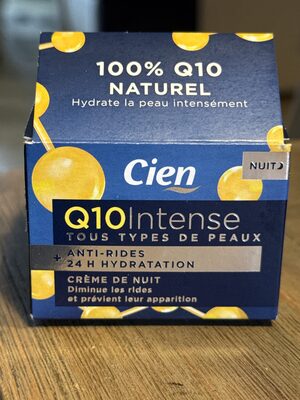
UBIQUINONE
Ubiquinone is the ingredient name for coenzyme Q10, a fat-soluble ubiquinone that occurs naturally in the cells of many organisms. In the body, it takes part in energy-transfer and oxidation-reduction reactions, which is why it is widely known as CoQ10 outside cosmetics. On an ingredient list, UBIQUINONE is the spelling that identifies that same substance.
UBIQUINONE: what it is
Ubiquinone is the ingredient name for coenzyme Q10, a fat-soluble ubiquinone that occurs naturally in the cells of many organisms. In the body, it takes part in energy-transfer and oxidation-reduction reactions, which is why it is widely known as CoQ10 outside cosmetics. On an ingredient list, UBIQUINONE is the spelling that identifies that same substance.
Coenzyme Q10 has a quinone portion and a long chain that makes it more compatible with oily media than with water. It is not a plant extract, even though it can occur in living organisms. It is also distinct from ubiquinol: ubiquinol is the reduced form in the same chemical family, while ubiquinone is the oxidized form named by this ingredient.
UBIQUINONE: what it does in cosmetics
In cosmetics, ubiquinone is used as an antioxidant and skin-conditioning ingredient. Its antioxidant role relates to oxidation reactions: in a formula, this kind of ingredient helps address processes that can change sensitive components. As a skin-conditioning ingredient, it is included in products intended to leave skin feeling comfortable and looking well cared for; it does not make a product a cleanser or a sunscreen.
A topical study published in 1999 found coenzyme Q10 in viable epidermal layers and reported changes in oxidation-related measurements; it also included cell-based tests. A 2014 review noted that, despite interest in coenzyme Q10 in skin-ageing products, clinical data were still lacking for many marketing claims. Its presence in a product therefore does not support a promise to reduce wrinkles, treat dark spots, or repair skin.
Products containing this ingredient
See which products include it and the name used in each composition.