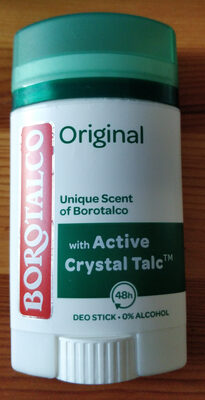
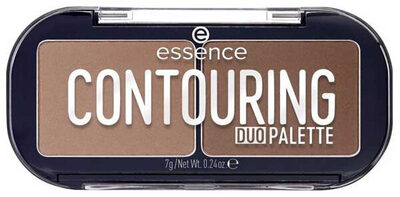
TALC
TALC, commonly called talc, is a naturally occurring mineral mined from the earth. It is a hydrated magnesium silicate ground into a very fine powder, a texture that explains why the name is especially common in makeup and other powdered cosmetics.
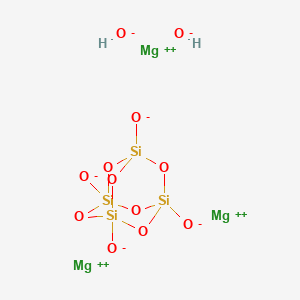
TALC: what it is
TALC, commonly called talc, is a naturally occurring mineral mined from the earth. It is a hydrated magnesium silicate ground into a very fine powder, a texture that explains why the name is especially common in makeup and other powdered cosmetics.
Talc and asbestos are different minerals with different crystal structures, even though they can occur close together in a mineral deposit. Cosmetic-grade talc therefore relies on careful raw-material selection and control from mining onward; it is not simply an interchangeable mineral powder.
TALC: what it does in cosmetics
In face powder, blush, and similar products, talc can absorb some moisture, help keep the powder from caking, and make coverage look more opaque. It can also improve slip, so the product spreads more easily and leaves a drier, silkier feel.
Those uses describe how the powder performs in a product rather than a treatment for the skin. Talc itself is not a solution for acne, dark spots, wrinkles, or other conditions; its presence is usually connected with finish, application, and the stability of powdered cosmetics.
TALC: conditions and care
For powdered products intended for children under three years of age, keep the powder away from the child’s nose and mouth.
Restrictions and conditions of use
Products containing this ingredient
See which products include it and the name used in each composition.