SYNTHETIC BEESWAX
SYNTHETIC BEESWAX is a wax made to resemble the physical and chemical characteristics of beeswax. It is not wax secreted in a hive: it is produced through a controlled combination of long-chain acids, alcohols, and esters, resulting in a solid waxy blend.
SYNTHETIC BEESWAX: what it is
SYNTHETIC BEESWAX is a wax made to resemble the physical and chemical characteristics of beeswax. It is not wax secreted in a hive: it is produced through a controlled combination of long-chain acids, alcohols, and esters, resulting in a solid waxy blend.
The name can sound as though it identifies one single material identical to natural beeswax, but it describes a mixture. Long-chain fatty-acid esters, fatty acids, and hydrocarbons make up most of that blend; their proportions allow the material to behave like beeswax in a formula.
SYNTHETIC BEESWAX: what it does in cosmetics
In cosmetics, Synthetic Beeswax helps give body and cohesion to products such as sticks, balms, and creams. By controlling viscosity, it can keep a product from becoming overly runny; as a binding agent, it helps solid and oily components stay together within the preparation.
It can also support the stability of an emulsion, meaning a formula that brings water and oil phases together. That role concerns the structure and consistency of the finished cosmetic, not a stand-alone promise to moisturize or treat the skin.
Products containing this ingredient
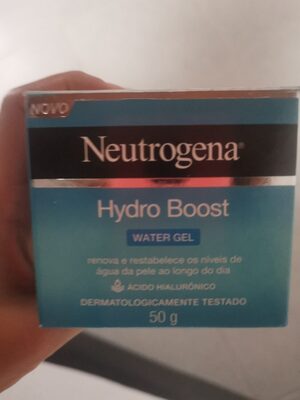
See which products include it and the name used in each composition.