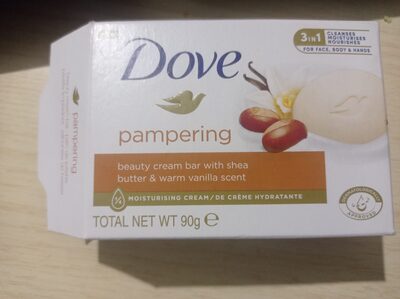
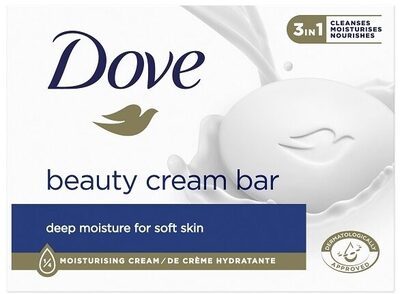
SODIUM PALMATE
Sodium Palmate is the name for a mixture of sodium salts made from the fatty acids of palm oil. It is not intact palm oil: it results when those fatty acids react with an alkali, the transformation used to make soap. That is why it is commonly found in solid cleansing products or in formulas built around a soap base.
SODIUM PALMATE: what it is
Sodium Palmate is the name for a mixture of sodium salts made from the fatty acids of palm oil. It is not intact palm oil: it results when those fatty acids react with an alkali, the transformation used to make soap. That is why it is commonly found in solid cleansing products or in formulas built around a soap base.
When a label lists Sodium Palmate, it refers to the saponified fraction associated with palm oil rather than a vegetable oil added simply for softness. The name can cover salts of different fatty acids found in that raw material; sodium palmitate is the chemical form behind the ingredient’s name and helps explain its soap-like character.
SODIUM PALMATE: what it does in cosmetics
In a bar cleanser, Sodium Palmate helps water spread across the surface and rinse away some oil and dirt. This cleansing action comes from surfactant behavior: one part of the molecule associates with oil while another mixes with water. In everyday use, it is connected with washing, lather, and a clean feel rather than with a treatment effect.
It can also help keep a mixture more structured, which is particularly useful in soap bars. Its practical value depends on the whole product and how it is used: in a rinse-off cleanser, the plausible result is removal of residues from skin or hands. That does not mean the ingredient on its own treats acne, dark spots, or other skin concerns.
Products containing this ingredient
See which products include it and the name used in each composition.