SODIUM LAUROYL ISETHIONATE
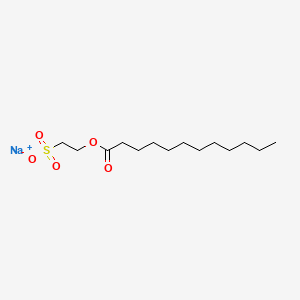
Sodium Lauroyl Isethionate is an anionic surfactant, meaning that it has parts that interact with water and with oily material. Its chemical name describes a sodium salt built from a lauroyl chain and an isethionate group; that combination is why it behaves differently from an oil or from an ingredient intended to remain on the skin.
SODIUM LAUROYL ISETHIONATE: what it is
Sodium Lauroyl Isethionate is an anionic surfactant, meaning that it has parts that interact with water and with oily material. Its chemical name describes a sodium salt built from a lauroyl chain and an isethionate group; that combination is why it behaves differently from an oil or from an ingredient intended to remain on the skin.
The "lauroyl" portion refers to a chain derived from lauric acid, while "isethionate" identifies the sulfonated part of the molecule. It is not free lauric acid: the chain is incorporated into a water-compatible molecule designed for rinse-off use. That is why the name is commonly found on facial cleansers, cleansing bars and shampoos rather than signalling a nourishing oil on a label.
SODIUM LAUROYL ISETHIONATE: what it does in cosmetics
In cleansing products, Sodium Lauroyl Isethionate helps water spread through and lift sebum, particles and residues that mix with oil. It also contributes to foam, which affects the feel of a wash and how the product distributes; more foam does not, by itself, mean better cleansing.
Its skin-conditioning, hair-conditioning and antistatic classifications relate to how a formula feels and performs during and after rinsing, including a less rough feel and less static in hair. The literature located for this substance includes a laboratory experiment with a mineral suspension, not a cosmetic trial in people. That work provides context for surfactant behavior, but does not show that the ingredient treats acne, dark spots, wrinkles or any skin condition.
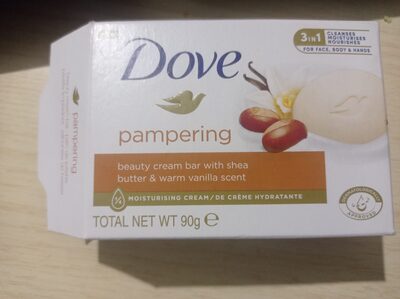
Products containing this ingredient
See which products include it and the name used in each composition.