PIROCTONE OLAMINE
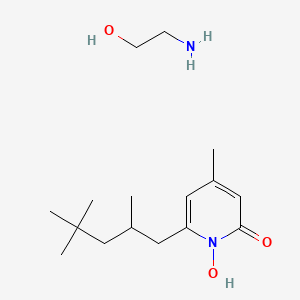
Piroctone Olamine is the monoethanolamine salt of piroctone, an organic substance most often found on the labels of scalp-care products. It is also known as Octopirox. It is not a plant extract: the compound is made by pairing piroctone with monoethanolamine.
PIROCTONE OLAMINE: what it is
Piroctone Olamine is the monoethanolamine salt of piroctone, an organic substance most often found on the labels of scalp-care products. It is also known as Octopirox. It is not a plant extract: the compound is made by pairing piroctone with monoethanolamine.
This salt form distinguishes Piroctone Olamine from piroctone on its own. The distinction matters in formulation because physicochemical research examines how the compound behaves in topical vehicles and how it may be directed to the outer skin layer. Its presence on an ingredient list does not reveal the amount used in the product.
PIROCTONE OLAMINE: what it does in cosmetics
Piroctone Olamine: what is it used for in cosmetics? It is used in scalp products with an anti-seborrhoeic purpose. For a shopper, that means products designed to help control the visible flaking associated with dandruff. It can also work as a preservative, helping protect the formula from microbial growth over its shelf life.
A 2023 study characterized Piroctone Olamine and examined vehicles for topical delivery to skin. It was a pre-formulation study, not a consumer outcome trial; it supports the compound's use in topical formulations but does not justify a claim that one product will treat seborrhoeic dermatitis or any other health condition.
PIROCTONE OLAMINE: conditions and care
In the European Union, Piroctone Olamine is limited to 1.0% in rinse-off products and 0.5% in other products. It is also linked to conditions for monoalkanolamines: do not use with nitrosating systems and keep it in nitrite-free containers.
Restrictions and conditions of use
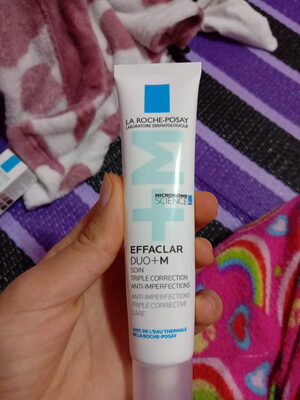
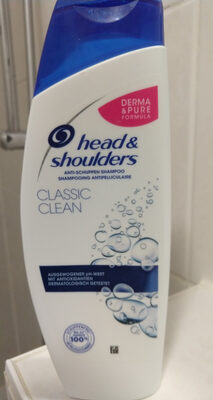
Products containing this ingredient
See which products include it and the name used in each composition.