PEG-7
PEG-7 is a polyethylene glycol: a chain of ethylene oxide units with hydroxyl groups at its ends. The number 7 indicates an average of seven units in that chain, so the name identifies a particular grade within the polyethylene glycol family rather than an oil or a botanical extract.
PEG-7: what it is
PEG-7 is a polyethylene glycol: a chain of ethylene oxide units with hydroxyl groups at its ends. The number 7 indicates an average of seven units in that chain, so the name identifies a particular grade within the polyethylene glycol family rather than an oil or a botanical extract.
That average matters because polyethylene glycols with different chain lengths have different physical behaviour. PEG-7 is a mixture of chains around that average, made through polymerisation, whereas names such as PEG-400 identify other grades in the same family. On an ingredient list, PEG-7 should not be confused with ingredients that merely begin with “PEG-7” but also include an oily moiety or another associated component.
PEG-7: what it does in cosmetics
In cosmetics, PEG-7 is used as a humectant and solvent. Its affinity for water can help a formula retain moisture and keep a fluid texture; as a solvent, it can help incorporate substances that need to disperse in a liquid base. In practical terms, these roles concern the formula's stability and handling, not a stand-alone skin treatment.
The presence of PEG-7 does not by itself mean that a product treats dryness, acne, or another condition. The result a person notices depends on the other ingredients, the amount used, and the product format. Its established cosmetic purpose is to support the liquid phase and water retention of the formulation, without turning that function into a clinical promise.
Products containing this ingredient
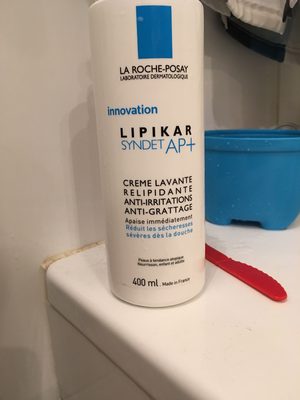
See which products include it and the name used in each composition.