PEG-3 DISTEARATE
PEG-3 Distearate is made of two stearate-derived portions joined by a short polyethylene glycol chain. The number 3 refers to an average of three ethylene oxide units in that link. It is therefore different from plain stearic acid: the same ingredient combines fatty portions with a portion that has an affinity for water.
PEG-3 DISTEARATE: what it is
PEG-3 Distearate is made of two stearate-derived portions joined by a short polyethylene glycol chain. The number 3 refers to an average of three ethylene oxide units in that link. It is therefore different from plain stearic acid: the same ingredient combines fatty portions with a portion that has an affinity for water.
The name describes a family of molecules made from stearic-acid derivatives and polyethylene glycol, rather than a plant extract. Its two long stearate-related ends give it a different character from a PEG with no fatty groups, while the short PEG bridge helps connect phases that would otherwise be difficult to keep together.
PEG-3 DISTEARATE: what it does in cosmetics
PEG-3 Distearate works as an emulsifying surfactant. In everyday terms, it helps water and oily ingredients remain distributed in a preparation instead of separating quickly. That can support a more even-looking cream or liquid and more consistent dispensing, but it is not a direct skin or hair treatment.
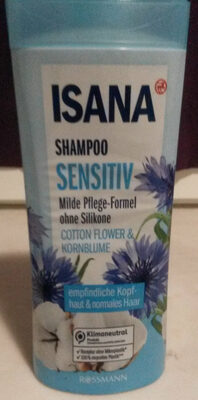
It can also occur in cleansing products: an analytical study listed PEG-3 Distearate in a shampoo alongside other ingredients. The study measured a shampoo surfactant; it did not test PEG-3 Distearate on its own or show improvement in hydration, dandruff, or any condition. Its plausible contribution is to the way the formula is built and kept stable.
Products containing this ingredient
See which products include it and the name used in each composition.