PEG-20
PEG-20 is a polyethylene glycol: a chain built from ethylene oxide units and ending in hydroxyl groups. The number 20 does not identify a plant, oil, or wax; it refers to an average of about twenty ethylene oxide units in the chain. In technical contexts, PEG-20 may also be called macrogol 1000.
PEG-20: what it is
PEG-20 is a polyethylene glycol: a chain built from ethylene oxide units and ending in hydroxyl groups. The number 20 does not identify a plant, oil, or wax; it refers to an average of about twenty ethylene oxide units in the chain. In technical contexts, PEG-20 may also be called macrogol 1000.
It is a synthetically produced substance rather than a botanical extract. Its chain has portions that interact readily with water, a feature that matters in water-based preparations. PEG-20 is not interchangeable with every other PEG grade: the number follows the average chain size, which affects how the material behaves in a mixture.
PEG-20: what it does in cosmetics
In cosmetics, PEG-20 can work as a humectant. In practical terms, that property helps a preparation hold water, which can keep a gel, lotion, or liquid product from drying out as readily during use. It can also serve as a solvent, helping compatible components remain distributed in a largely water-based formula.
For someone reading an ingredient list, its most plausible contribution is to the product's texture and stability, not to an independent skin treatment. Seeing PEG-20 on a label is not a promise to treat dryness, acne, or another condition; its use is tied to handling water and combining components in the cosmetic product.
Products containing this ingredient
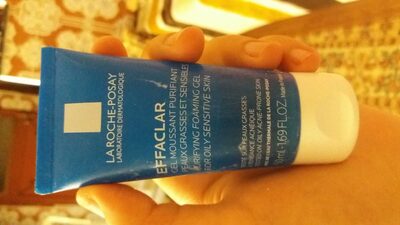
See which products include it and the name used in each composition.