PEG-150 DISTEARATE
PEG-150 Distearate is a member of the polyethylene glycol and stearic acid ester family. The number 150 refers to the average number of ethylene oxide units in its PEG portion; because it is an average, the material contains chains of nearby lengths rather than one single, identical molecule in every portion.
PEG-150 DISTEARATE: what it is
PEG-150 Distearate is a member of the polyethylene glycol and stearic acid ester family. The number 150 refers to the average number of ethylene oxide units in its PEG portion; because it is an average, the material contains chains of nearby lengths rather than one single, identical molecule in every portion.
It is made by linking polyethylene glycol with stearic acid, a fatty acid. That arrangement gives one part of the structure more affinity for water and another for oil. The name does not identify a particular plant or disclose the source of the raw material in a product; it describes this chemical family of diesters.
PEG-150 DISTEARATE: what it does in cosmetics
In lotions, creams, and cleansing products, PEG-150 Distearate helps water and oily components stay dispersed instead of separating. In practical terms, that can support an even mixture and the texture that comes out of the package. As a non-ionic surfactant, it sits at the boundary between water and oil, which explains its emulsifying role.
It can also adjust viscosity—the thickness of a formula and how it flows—and help disperse oily soil in rinse-off products. These are formula-behaviour roles, not a treatment for skin or hair. Studies and safety assessments of the PEG stearate family do not support promising results for acne, wrinkles, dark spots, or disease from this ingredient on its own.
Products containing this ingredient
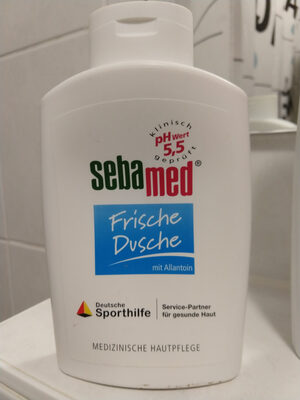
See which products include it and the name used in each composition.