LEVULINIC ACID
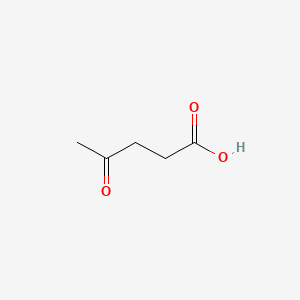
Levulinic acid, listed on labels as LEVULINIC ACID, is a small organic acid also called 4-oxopentanoic acid. It is not a plant extract: it is a defined chemical substance with an acid group and a carbonyl group in the same molecule, which sets it apart from oils, butters, and extracts used directly from a plant.
LEVULINIC ACID: what it is
Levulinic acid, listed on labels as LEVULINIC ACID, is a small organic acid also called 4-oxopentanoic acid. It is not a plant extract: it is a defined chemical substance with an acid group and a carbonyl group in the same molecule, which sets it apart from oils, butters, and extracts used directly from a plant.
One documented route makes levulinic acid through acid conversion of carbohydrates in lignocellulosic biomass. Wood, straw, and other plant materials can be feedstocks for that process; this does not mean that every product containing the ingredient comes from the same botanical source. The INCI name alone does not identify the route or feedstock selected by a manufacturer.
LEVULINIC ACID: what it does in cosmetics
In cosmetics, levulinic acid may be used for skin conditioning. In everyday terms, that use relates to helping maintain a softer, more pleasant skin feel; it does not make the ingredient a treatment for acne, dark spots, wounds, or other skin conditions.
It may also be part of a formula's perfuming component, contributing to the scent perceived from the product. Research located on antimicrobial activity examined levulinic acid combined with sodium dodecyl sulfate in food applications; that mixed, non-cosmetic result does not show that levulinic acid on its own has the same effect in a cosmetic.
Products containing this ingredient
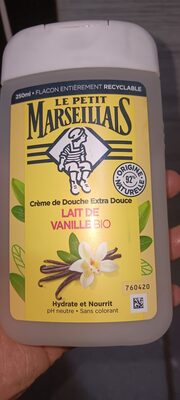
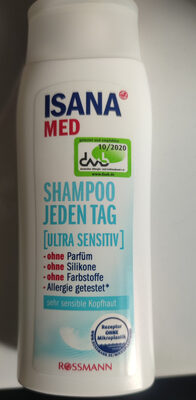
See which products include it and the name used in each composition.