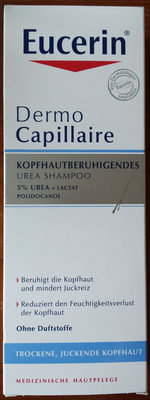
LAURETH-9
LAURETH-9, also called polidocanol, is a non-ionic surfactant built from a lauryl chain joined to ethoxylated units. Its structure brings together a part that associates with oily materials and another that interacts with water, which is why it can be useful when a formula needs different phases to stay evenly dispersed.
LAURETH-9: what it is
LAURETH-9, also called polidocanol, is a non-ionic surfactant built from a lauryl chain joined to ethoxylated units. Its structure brings together a part that associates with oily materials and another that interacts with water, which is why it can be useful when a formula needs different phases to stay evenly dispersed.
The number 9 refers approximately to the nine repeating units in its ethoxylated portion. LAURETH-9 is therefore not a plant extract, even though the lauryl chain is associated with fatty raw materials; it is an ethoxylated derivative of dodecyl alcohol. Polidocanol may appear in contexts beyond cosmetics, but it identifies the same substance here.
LAURETH-9: what it does in cosmetics
In cosmetics, LAURETH-9 helps water and oily components form a more even mixture. In practical terms, this emulsifying action helps a cream, lotion, or cleanser keep a consistent look and texture instead of allowing its water-based and oily parts to separate readily.
Clinical literature on polidocanol often examines microfoam delivered by injection during venous procedures, not a cosmetic product applied to the skin. Those findings do not show that LAURETH-9 in a cosmetic treats veins, wounds, dark spots, or any health condition; in an everyday product, its plausible benefit is helping organise the formula.
Products containing this ingredient
See which products include it and the name used in each composition.