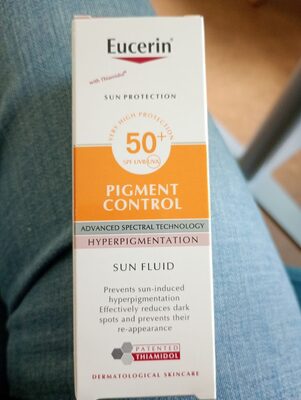
ISOBUTYLAMIDO THIAZOLYL RESORCINOL
Isobutylamido Thiazolyl Resorcinol, also called Thiamidol, is a synthetic molecule in the resorcinyl-thiazole family. It was developed to interact with human tyrosinase, an enzyme involved in steps of melanin production in the skin. It is not a plant extract, and it is not the same ingredient as arbutin, kojic acid, or hydroquinone, even though all of them may be discussed in relation to a more even-looking skin tone.
ISOBUTYLAMIDO THIAZOLYL RESORCINOL: what it is
Isobutylamido Thiazolyl Resorcinol, also called Thiamidol, is a synthetic molecule in the resorcinyl-thiazole family. It was developed to interact with human tyrosinase, an enzyme involved in steps of melanin production in the skin. It is not a plant extract, and it is not the same ingredient as arbutin, kojic acid, or hydroquinone, even though all of them may be discussed in relation to a more even-looking skin tone.
Its structure joins a resorcinol portion with two hydroxyl groups to a thiazole ring and an amide. That combination sets it apart from inhibitors selected only with mushroom tyrosinase: in laboratory testing, Thiamidol behaved quite differently with the human enzyme. This is why the name is often found in facial serums and skin-care products intended for areas with the appearance of uneven pigmentation.
ISOBUTYLAMIDO THIAZOLYL RESORCINOL: what it does in cosmetics
In cosmetics, Isobutylamido Thiazolyl Resorcinol is used as an antioxidant, skin-lightening agent, and skin conditioner. For a person choosing a product, this relates to formulas intended to make the skin tone look more even and reduce the contrast of visible dark marks. Skin conditioning means helping the surface feel softer and more comfortable; it does not mean changing the skin's structure.
Human-skin studies have evaluated formulations containing this ingredient. A 30-participant pilot trial tested a Thiamidol product before experimentally induced UVB exposure and found earlier improvement of the treated skin color afterward. A separate 24-week clinical study compared a Thiamidol routine with matching vehicle products in women with melasma. Those findings belong to the tested formulas and schedules, so they do not ensure the same result from every product or make the ingredient a treatment for a health condition.
Products containing this ingredient
See which products include it and the name used in each composition.