HYDROLYZED SILK
HYDROLYZED SILK consists of smaller fragments of silk proteins. Fibroin is the best-known structural protein in silk; after hydrolysis, the protein is no longer present as a continuous fibre and becomes a mixture of smaller parts that can be dispersed more readily in a cosmetic formula.
HYDROLYZED SILK: what it is
HYDROLYZED SILK consists of smaller fragments of silk proteins. Fibroin is the best-known structural protein in silk; after hydrolysis, the protein is no longer present as a continuous fibre and becomes a mixture of smaller parts that can be dispersed more readily in a cosmetic formula.
Silk itself is associated with cocoons produced by silkworms, but an ingredient list does not identify the species or the production method used for a particular product. That is why hydrolyzed silk is different from an intact silk thread: in a cream, serum, conditioner, or mask, the relevant material is the protein fragments blended into the product.
HYDROLYZED SILK: what it does in cosmetics
In skin products, hydrolyzed silk may work as a humectant and skin-conditioning ingredient. In everyday terms, those roles relate to helping retain water in the formula and contributing to a softer, less rough feel at the skin's surface; they do not mean that it treats persistent dryness or a skin condition.
In hair products, its conditioning and antistatic roles help explain its use. Conditioning aims to improve feel and combing, while an antistatic effect can help reduce hairs that lift away because of electrical charge. One study on dyed hair tested hydrolyzed silk together with hydrolyzed milk protein and lactose, so its findings cannot establish hair repair or a benefit from hydrolyzed silk on its own.
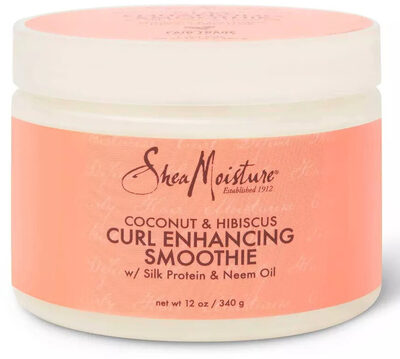
Products containing this ingredient
See which products include it and the name used in each composition.