HYDROGENATED LECITHIN
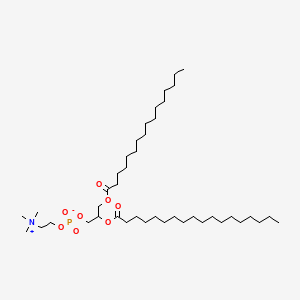
Hydrogenated lecithin is a mixture of phospholipids made from lecithin and modified through hydrogenation. Lecithin itself is not a single molecule: it contains lipid components such as phospholipids, glycolipids, and triglycerides. The label therefore refers to a complex raw material rather than to one isolated oil or active ingredient.
HYDROGENATED LECITHIN: what it is
Hydrogenated lecithin is a mixture of phospholipids made from lecithin and modified through hydrogenation. Lecithin itself is not a single molecule: it contains lipid components such as phospholipids, glycolipids, and triglycerides. The label therefore refers to a complex raw material rather than to one isolated oil or active ingredient.
The word “hydrogenated” distinguishes this version from lecithin that has not undergone that modification. It is found in formulas designed to bring water-based and oil-based components together. The specific source of the lecithin can vary; the INCI name alone does not establish whether the raw material came from soy, egg, or another possible source.
HYDROGENATED LECITHIN: what it does in cosmetics
In cosmetics, hydrogenated lecithin helps create and maintain emulsions, preparations in which water and oily components stay more evenly dispersed. In practical terms, it can help a cream, lotion, or two-phase serum resist separating too quickly and apply more consistently.
It is also used in systems that carry other formula components. A nanoemulsion study with astaxanthin evaluated hydrogenated lecithin as an emulsifier, meaning part of the preparation’s structure rather than a skin treatment. That formulation research does not show that hydrogenated lecithin on its own treats acne, wrinkles, dark spots, or any disease.
Products containing this ingredient
See which products include it and the name used in each composition.