GLYCYRRHETINIC ACID
Glycyrrhetinic Acid, also called enoxolone, is a triterpenoid substance associated with licorice. The connection comes from glycyrrhizin, a constituent of Glycyrrhiza glabra root: in the body, that molecule is metabolized into glycyrrhetinic acid. This is why the name can point to licorice even when it appears on its own in an ingredient list.
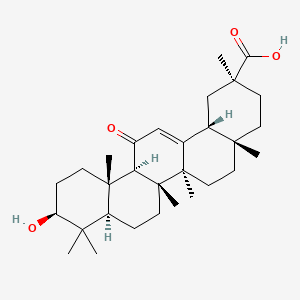
GLYCYRRHETINIC ACID: what it is
Glycyrrhetinic Acid, also called enoxolone, is a triterpenoid substance associated with licorice. The connection comes from glycyrrhizin, a constituent of Glycyrrhiza glabra root: in the body, that molecule is metabolized into glycyrrhetinic acid. This is why the name can point to licorice even when it appears on its own in an ingredient list.
It is not another name for licorice extract. An extract contains several plant constituents, whereas Glycyrrhetinic Acid identifies one specific substance related to glycyrrhizin. That distinction keeps the ingredient on a label from being confused with a whole botanical mixture.
GLYCYRRHETINIC ACID: what it does in cosmetics
In cosmetics, Glycyrrhetinic Acid is classified for skin conditioning. In everyday terms, that places it in products designed to help keep skin in good condition in appearance and feel; by itself, it does not turn a cream into a treatment for a skin condition.
Topical formulation research has combined Glycyrrhetinic Acid with other active substances. A 2021 study, for example, tested a system that also contained curcumin, so the result from that combination cannot be credited to Glycyrrhetinic Acid alone in an ordinary cosmetic.
Products containing this ingredient
See which products include it and the name used in each composition.
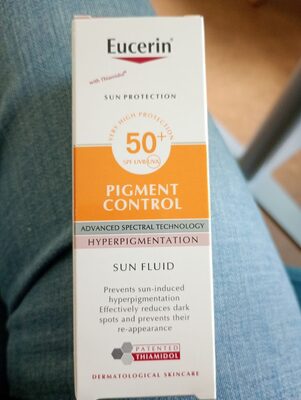
sunscreen