FARNESOL
Farnesol is a sesquiterpene alcohol with a delicate floral scent. It is a defined substance, rather than the name of a plant or of a whole essential oil, so seeing it on a label identifies that particular aromatic component.
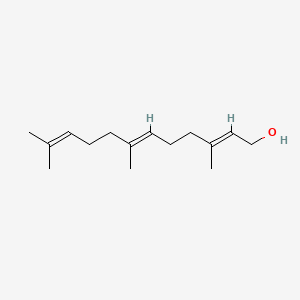
FARNESOL: what it is
Farnesol is a sesquiterpene alcohol with a delicate floral scent. It is a defined substance, rather than the name of a plant or of a whole essential oil, so seeing it on a label identifies that particular aromatic component.
It occurs in plant oils such as citronella, neroli, cyclamen and tuberose, from which it may be extracted. Its connection with floral oils helps explain the scent, but the name FARNESOL alone does not identify which plant supplied the material in a product.
FARNESOL: what it does in cosmetics
In cosmetics, farnesol is used for perfuming and deodorant purposes. In everyday terms, its floral note can contribute to a product's scent and help reduce the perception of unpleasant odours; that is not the same as stopping perspiration, as an antiperspirant does.
A study of farnesol in an oil-in-water emulsion measured skin absorption in hairless guinea pigs after topical application. It examined what happened to the substance in skin, not odour control, acne or treatment of any condition, so it does not support promising those effects from a cosmetic.
FARNESOL: conditions and care
In the European Union, farnesol must be listed as an ingredient above 0.001% in leave-on products and 0.01% in rinse-off products.
Restrictions and conditions of use
Products containing this ingredient
See which products include it and the name used in each composition.