EDTA
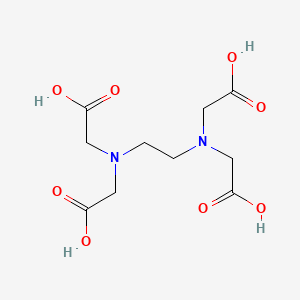
EDTA, also called edetic acid, is a synthetic organic compound that can bind certain metal ions. Its structure combines an ethylenediamine backbone with groups that act like a chemical claw around a metal. It is therefore neither a botanical extract nor a vitamin added to scent or colour a product.
EDTA: what it is
EDTA, also called edetic acid, is a synthetic organic compound that can bind certain metal ions. Its structure combines an ethylenediamine backbone with groups that act like a chemical claw around a metal. It is therefore neither a botanical extract nor a vitamin added to scent or colour a product.
EDTA names the acidic form of the substance. Disodium EDTA, Tetrasodium EDTA and other EDTA salts are different ingredients, made when this molecule is combined with bases or minerals; they may appear on other labels and should not automatically be treated as the same ingredient. The form in a cosmetic is identified by that product's ingredient list.
EDTA: what it does in cosmetics
In cosmetics, EDTA is used to bind metal ions that may be present in small amounts in water or other raw materials. By reducing the availability of those metals, it can help a formula retain features such as appearance, clarity, colour or odour during storage and use, depending on the product.
This chelating action takes place chiefly within the formula; it is not the same as moisturising, sun protection or a skin treatment. A safety review of EDTA and its salts described their cosmetic use as chelating agents, but assessed the ingredient group and use conditions rather than a direct clinical benefit from EDTA alone for acne, dark spots, wrinkles or wounds.
Products containing this ingredient
See which products include it and the name used in each composition.