DISODIUM ETIDRONATE
DISODIUM ETIDRONATE, also called disodium etidronate, is the disodium salt of etidronic acid. It belongs to the bisphosphonate family: its structure has groups that can bind metal ions, while the two sodium ions are part of the form used in a finished formula.
DISODIUM ETIDRONATE: what it is
DISODIUM ETIDRONATE, also called disodium etidronate, is the disodium salt of etidronic acid. It belongs to the bisphosphonate family: its structure has groups that can bind metal ions, while the two sodium ions are part of the form used in a finished formula.
It is not a plant extract or an oil. The distinction in its name matters: etidronic acid is the acidic form, whereas disodium etidronate is its corresponding sodium salt. On an ingredient list, this form is selected for the chemical contribution it can make to the preparation, not for fragrance, colour, or an emollient feel.
DISODIUM ETIDRONATE: what it does in cosmetics
In cosmetics, disodium etidronate works as a chelating agent. In practical terms, it can bind traces of metals in a mixture; by reducing interference from those ions, it helps keep the formula more stable during use and storage. That is a formulation role, not a promise of an immediate visible effect on skin or hair.
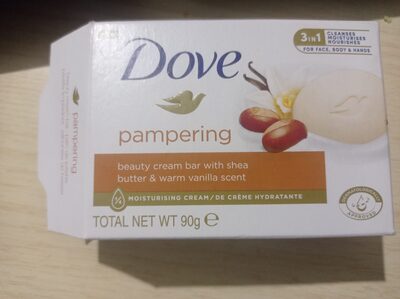
European rules set different limits for this group depending on the product: up to 1.5% calculated as etidronic acid in hair products and up to 0.2% in soaps. Those percentages concern the formulation and do not measure a cosmetic benefit for the person using it; they also do not support a claim that this ingredient treats skin or hair conditions.
DISODIUM ETIDRONATE: conditions and care
For hair products, the European limit is up to 1.5% calculated as etidronic acid; for soaps, it is up to 0.2%. This condition applies to the product formulation.
Restrictions and conditions of use
Products containing this ingredient
See which products include it and the name used in each composition.