CITRULLINE
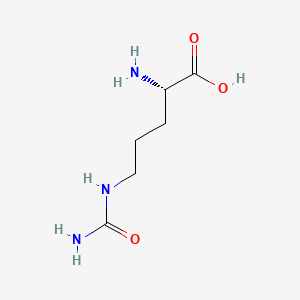
Citrulline is an amino acid found in the body and historically associated with watermelon: its name comes from Citrullus, the genus that includes the fruit. In the body, it takes part in steps of the urea cycle and can be made from arginine through enzyme reactions, which makes it quite different from the oils, waxes, and botanical extracts that also appear on many cosmetic labels.
CITRULLINE: what it is
Citrulline is an amino acid found in the body and historically associated with watermelon: its name comes from Citrullus, the genus that includes the fruit. In the body, it takes part in steps of the urea cycle and can be made from arginine through enzyme reactions, which makes it quite different from the oils, waxes, and botanical extracts that also appear on many cosmetic labels.
In a skin-care product, CITRULLINE refers to citrulline added to the composition. The ingredient list alone does not show whether that raw material came from a plant source or another production process. It is not a protein that creates a visible film on the skin either; it is an amino acid whose amount and combination vary from one product to another.
CITRULLINE: what it does in cosmetics
Citrulline is used for skin conditioning. In everyday terms, that means it is included to help keep skin in good condition in terms of appearance and feel within the formula's purpose; it is not the same as a treatment for a skin concern, and it does not by itself determine how a product will perform.
Much of the clinical research on L-citrulline examines oral supplementation and systemic outcomes, including blood pressure, rather than applying citrulline in cosmetics. Those findings do not establish the same effect for a cream, serum, or lotion containing CITRULLINE. For someone choosing from a label, the sound expectation is a conditioning ingredient, not an active meant to change circulation or treat a medical condition.
Products containing this ingredient
See which products include it and the name used in each composition.