CETYL RICINOLEATE
Cetyl ricinoleate, listed as CETYL RICINOLEATE, is an ester made by joining ricinoleic acid to a cetyl chain. It is not plain castor oil: linking those parts produces a distinct oily ingredient used when a cosmetic texture calls for a fatty-acid derivative.
CETYL RICINOLEATE: what it is
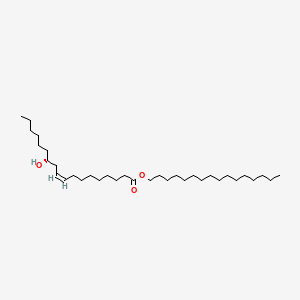
Cetyl ricinoleate, listed as CETYL RICINOLEATE, is an ester made by joining ricinoleic acid to a cetyl chain. It is not plain castor oil: linking those parts produces a distinct oily ingredient used when a cosmetic texture calls for a fatty-acid derivative.
Its name refers to ricinoleic acid, the main fatty acid in castor oil, which comes from the seeds of Ricinus communis. The cetyl portion sets cetyl ricinoleate apart from castor oil itself and from other ricinoleates, so ingredients with similar names are not automatically interchangeable in a product.
CETYL RICINOLEATE: what it does in cosmetics
In skin products, CETYL RICINOLEATE works as an emollient: it helps the product spread and can leave the surface feeling softer and less rough after application. In everyday terms, that relates to slip and to the way the oily part of a formula is distributed, not to a skin treatment.
It is also used for skin conditioning, meaning it contributes to a smoother, more comfortable feel while the formula is being worn. That role describes how the ingredient behaves in a cosmetic; it does not mean cetyl ricinoleate by itself treats acne, dark spots, wrinkles, wounds, or any health condition.
Products containing this ingredient
See which products include it and the name used in each composition.