CETEARYL GLUCOSIDE
Cetearyl Glucoside is a mixture of glucosides made from glucose and C16–C18 alkyl chains. On an ingredient list, the name identifies a material that sits at the boundary between water and oily materials in the same preparation: one part of its structure relates to water, while another relates to oil.
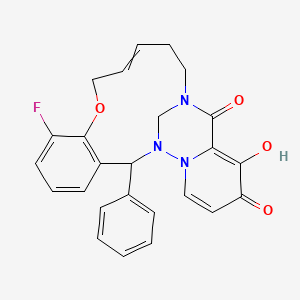
CETEARYL GLUCOSIDE: what it is
Cetearyl Glucoside is a mixture of glucosides made from glucose and C16–C18 alkyl chains. On an ingredient list, the name identifies a material that sits at the boundary between water and oily materials in the same preparation: one part of its structure relates to water, while another relates to oil.
The "glucoside" portion refers to a glucose unit, and "cetearyl" refers to the long chains associated with C16–C18 fatty alcohols. It is therefore not the same ingredient as Cetearyl Alcohol: the glucoside includes the sugar portion attached to those chains, which gives it a role in bringing different phases of a formula together.
CETEARYL GLUCOSIDE: what it does in cosmetics
In creams and lotions, Cetearyl Glucoside helps keep water and oily components evenly dispersed. In practical terms, this emulsifying action supports a uniform texture and makes the preparation less prone to separating during use; that is the plausible cosmetic benefit of finding it in an emulsion.
It is also classified as a cleansing surfactant. In rinse-off products, surfactants help water spread and lift oily material away with rinsing. Cetearyl Glucoside on an ingredient list does not, by itself, establish how strongly a product cleans or turn that product into a treatment for acne, dark spots, or skin disease.
Products containing this ingredient
See which products include it and the name used in each composition.