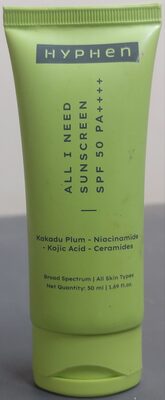
CERAMIDE
Ceramides are a family of sphingolipids formed by linking a sphingoid base to a fatty acid. The letters are not a quality ranking: they identify differences in the base, hydroxyl pattern, and fatty-acid linkage.
CERAMIDE: what it is
Ceramides are a family of sphingolipids formed by linking a sphingoid base to a fatty acid. The letters are not a quality ranking: they identify differences in the base, hydroxyl pattern, and fatty-acid linkage.
Older numbered names were replaced by more descriptive suffixes. Ceramide 1 and 1 A became EOP; Ceramide 2 was split into NG and NS; Ceramide 3 became NP; Ceramide 4 and 5 became AS; and Ceramide 6 II became AP.
CERAMIDE: what it does in cosmetics
In cosmetic ingredient lists, this ceramide family is used mainly for hair conditioning and skin conditioning. Individual variants may also be classified as humectants, emollients, skin protectants, or emulsion stabilisers.
The suffix matters because each variant combines a different structure. AP uses phytosphingosine with an alpha-hydroxy fatty acid; NP uses phytosphingosine with a normal fatty acid; EOP adds an esterified omega-hydroxy fatty acid; NG uses sphinganine; and NS uses sphingosine.
Ceramide types and their differences
The suffix changes with the sphingoid base and the attached fatty-acid type. These are the differences between the names found in ingredient lists.
CERAMIDE AP
Phytosphingosine linked to an alpha-hydroxy fatty acid.
The hydroxyl group is in the fatty acid's alpha position.
Hair and skin conditioning.
Previous names: CERAMIDE 6 II
CERAMIDE NP
Phytosphingosine linked to a normal saturated or unsaturated fatty acid.
It differs from AP by using a non-alpha-hydroxylated fatty acid.
Hair and skin conditioning.
Previous names: CERAMIDE 3
CERAMIDE EOP
Phytosphingosine linked to an esterified omega-hydroxy fatty acid.
The E denotes esterification of the omega-hydroxy fatty acid.
Hair and skin conditioning.
Previous names: CERAMIDE 1, CERAMIDE 1 A
CERAMIDE AS
Sphingosine linked to an alpha-hydroxy fatty acid.
The retired types 4 and 5 differed in hydroxy-acid length; both became AS.
Hair and skin conditioning.
Previous names: CERAMIDE 4, CERAMIDE 5
CERAMIDE NG
Sphinganine linked to a normal fatty acid.
Ceramide 2 covered NG and NS; NG is limited to a sphinganine base.
Skin conditioning.
Previous names: CERAMIDE 2
CERAMIDE NS
Sphingosine linked to a normal fatty acid.
It shares the retired Ceramide 2 name with NG but uses sphingosine instead of sphinganine.
Hair and skin conditioning.
Previous names: CERAMIDE 2
CERAMIDE AG
Sphinganine linked to an alpha-hydroxy fatty acid.
It combines the sphinganine base seen in NG with the alpha-hydroxy pattern of AP and AS.
Conditioning, including a humectant function.
CERAMIDE EOS
Sphingosine linked to an esterified omega-hydroxy fatty acid.
It is described as synthetic and uses sphingosine, whereas EOP uses phytosphingosine.
Hair and skin conditioning.
CERAMIDE EOG
Sphinganine linked to an esterified omega-hydroxy acid.
It uses sphinganine, unlike EOP and EOS.
Emollient and humectant skin conditioning.
CERAMIDE ENP
Phytosphingosine linked to a normal fatty acid and esterified with C14–C26 fatty acids.
It adds esterification at the 1-O position of the NP-type structure.
Skin protecting.
CERAMIDE OP
A family compound defined by a formula with a variable chain.
Its source description does not specify one of the sphingoid bases used by the other suffixes.
Humectant and skin-protecting functions.
Products containing this ingredient
See which products include it and the name used in each composition.
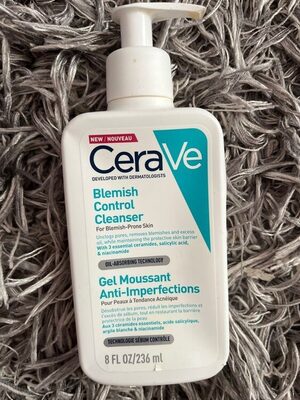
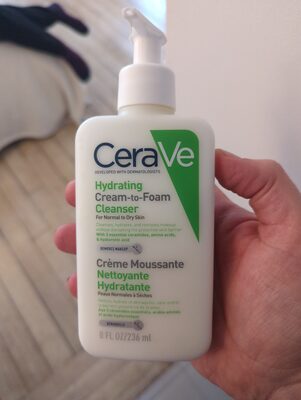
Blemish control cleanser
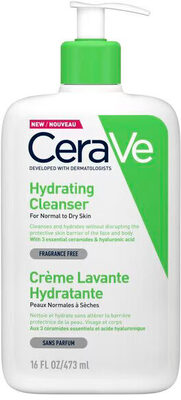
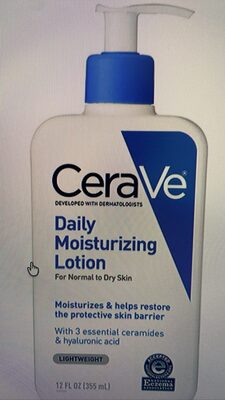
SA Smoothing Cleanser
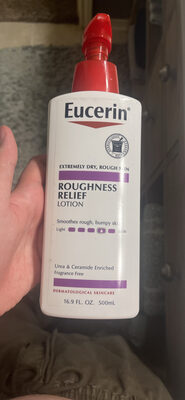
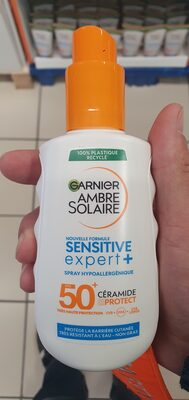
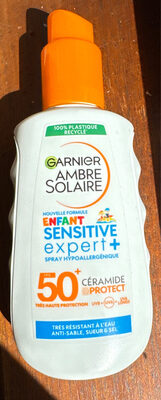
Sensitive expert + Spf 50+
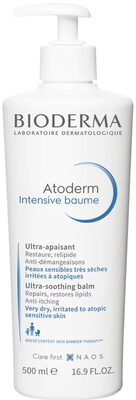
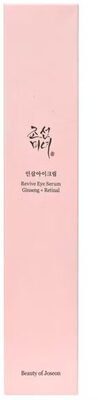
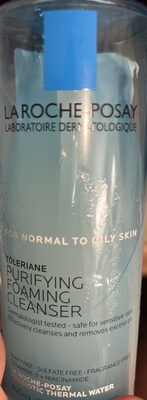
Toleriane Purifying Foaming Cleanser
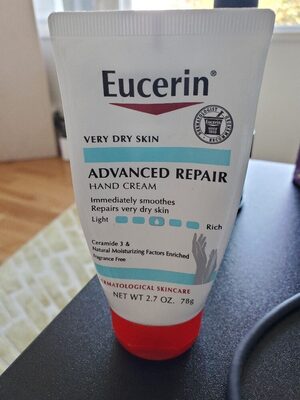
Advanced Repair Hand Cream

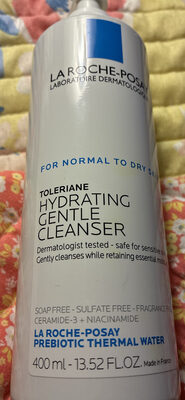
Toleriane Hydrating Gentle Cleanser
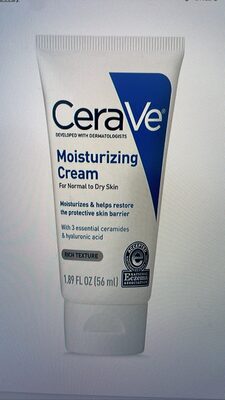
Moisturizing Cream
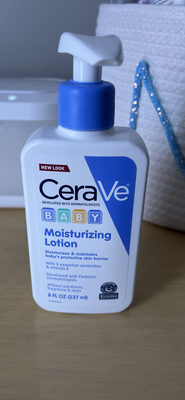
Moisturizing Lotion