CAPRYLIC/CAPRIC GLYCERIDES
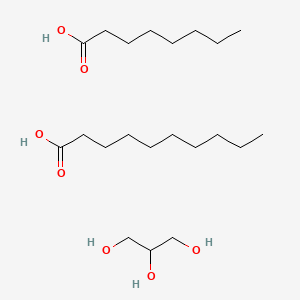
Caprylic/Capric Glycerides are a mixture of mono-, di-, and triglycerides made from caprylic and capric fatty acids. Rather than naming one molecule, the term covers molecules with one, two, or three of those fatty acids linked to glycerin; that mixed composition is what the ingredient name describes on a label.
CAPRYLIC/CAPRIC GLYCERIDES: what it is
Caprylic/Capric Glycerides are a mixture of mono-, di-, and triglycerides made from caprylic and capric fatty acids. Rather than naming one molecule, the term covers molecules with one, two, or three of those fatty acids linked to glycerin; that mixed composition is what the ingredient name describes on a label.
Caprylic and capric acids are saturated medium-chain fatty acids, also known chemically as octanoic and decanoic acids. Caprylic/Capric Glycerides are not the same as Caprylic/Capric Triglyceride: the latter name refers only to triglycerides, while this one also includes mono- and diglycerides. The commercial source of the fatty acids can vary, so the name alone does not identify a particular plant.
CAPRYLIC/CAPRIC GLYCERIDES: what it does in cosmetics
In skin products, Caprylic/Capric Glycerides work as an emollient. In everyday terms, they help the oily part of a product spread more smoothly and leave skin feeling softer and less rough or dry to the touch. That sensory effect can support the slip and comfortable feel of creams, lotions, oils, and makeup products.
Its plausible cosmetic use is tied to texture and surface softness, not to treatment. An emollient classification does not support claims that it treats acne, wrinkles, dark spots, wounds, or disease. When comparing labels, the useful distinction is that it is included for the way it helps a product feel during and after application, not as an active with a specific clinical result.
Products containing this ingredient
See which products include it and the name used in each composition.