CALENDULA OFFICINALIS FLOWER EXTRACT
Calendula extract, or Calendula Officinalis Flower Extract, is obtained from the flowers of Calendula officinalis L., an accepted species in the Asteraceae family. It is processed flower material rather than a single isolated molecule; calendula flowers contain, among other constituents, carotenoids, essential oils and triterpenoid compounds.
CALENDULA OFFICINALIS FLOWER EXTRACT: what it is
Calendula extract, or Calendula Officinalis Flower Extract, is obtained from the flowers of Calendula officinalis L., an accepted species in the Asteraceae family. It is processed flower material rather than a single isolated molecule; calendula flowers contain, among other constituents, carotenoids, essential oils and triterpenoid compounds.
The name specifically refers to a flower extract. That sets it apart from ingredients made from other parts of the plant and from calendula oil: an extract’s composition can vary with the plant material and the extraction medium. On an ingredient list, “calendula extract” identifies that floral raw material, but does not by itself state a concentration or one fixed formula.
CALENDULA OFFICINALIS FLOWER EXTRACT: what it does in cosmetics
In cosmetics, calendula extract may be included for fragrance and skin conditioning. In everyday terms, fragrance contributes to the product’s scent, while skin conditioning means helping keep skin in good condition in terms of feel and appearance within the finished formula.
Calendula has appeared in topical preparations studied outside cosmetic use, but those findings do not support a treatment claim for this ingredient in a cream or lotion. The LactMed review describes combined products and an uncontrolled study, so they do not separate calendula’s effect or demonstrate the effectiveness of an isolated cosmetic extract.
CALENDULA OFFICINALIS FLOWER EXTRACT: conditions and care
Allergic reactions to calendula are rare, but cross-reactions can occur in people with a known allergy to chrysanthemums, daisies or other plants in the Asteraceae family. Stop using the product if a reaction occurs and seek professional advice when needed.
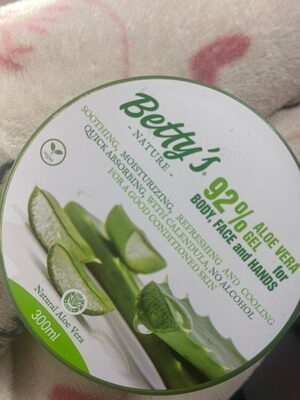
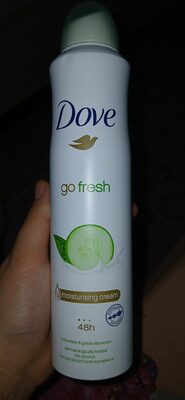
Products containing this ingredient
See which products include it and the name used in each composition.