BUTYLPARABEN
BUTYLPARABEN is a member of the paraben family, known in Portuguese as butilparabeno. Chemically, it is made from butyl alcohol and p-hydroxybenzoic acid, so it is not a plant extract or a vegetable butter despite the word "butyl" in its name. On an ingredient list, the name identifies this particular substance.
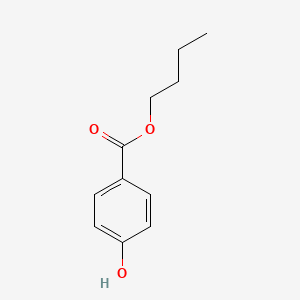
BUTYLPARABEN: what it is
BUTYLPARABEN is a member of the paraben family, known in Portuguese as butilparabeno. Chemically, it is made from butyl alcohol and p-hydroxybenzoic acid, so it is not a plant extract or a vegetable butter despite the word "butyl" in its name. On an ingredient list, the name identifies this particular substance.
The "butyl" part refers to the butyl group attached to the ester. That distinction matters because parabens are not interchangeable names: changing the group attached to p-hydroxybenzoic acid gives a different identified compound. In cosmetic ingredient lists, butylparaben is generally written as BUTYLPARABEN, the international cosmetic name used on labels.
BUTYLPARABEN: what it does in cosmetics
In cosmetics, butylparaben may work as a preservative. In practical terms, it helps inhibit the development of microorganisms in the product, supporting preservation while the product is stored and used. For someone choosing a cosmetic, this role concerns the product itself; it is not a claim that butylparaben hydrates skin, treats acne, or directly improves the skin.
It may also be used for perfuming, contributing to a preparation's scent when that is the intended purpose. Seeing BUTYLPARABEN on a label does not by itself show that a product will have a noticeable sensory benefit or treat a skin or hair condition. The recognized roles for this ingredient are preservation and perfuming, rather than direct cosmetic treatment effects.
BUTYLPARABEN: conditions and care
In the European Union, butylparaben is limited to 0.14% (expressed as acid) when used alone or in a mixture. It must not be used in leave-on products intended for the nappy area of children under three years of age.
Restrictions and conditions of use
Products containing this ingredient
See which products include it and the name used in each composition.