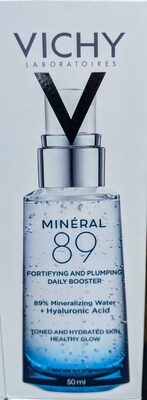
BIOSACCHARIDE GUM-1
Biosaccharide Gum-1 is a polysaccharide gum produced by fermentation from sorbitol. Rather than an oil or a plant extract, it consists of chains of sugar units; its chemical description includes units related to fucose, galactose, and galacturonic acid.
BIOSACCHARIDE GUM-1: what it is
Biosaccharide Gum-1 is a polysaccharide gum produced by fermentation from sorbitol. Rather than an oil or a plant extract, it consists of chains of sugar units; its chemical description includes units related to fucose, galactose, and galacturonic acid.
Its fermentation origin sets Biosaccharide Gum-1 apart from gums extracted directly from seeds or seaweed. On an ingredient list, the name refers to this sugar-based polymer used in the cosmetic preparation, not to a simple sugar applied to the skin on its own.
BIOSACCHARIDE GUM-1: what it does in cosmetics
In cosmetics, Biosaccharide Gum-1 is used as a skin-conditioning ingredient. In everyday terms, that use is intended to support a softer, smoother feel on the skin's surface, which can matter to the finish of serums, creams, and other skincare products.
One clinical study examined a vaginal gel that combined hyaluronic acid with Biosaccharide Gum-1; it tested the combination rather than the gum alone, and it was not a facial-skincare study. It therefore cannot establish that Biosaccharide Gum-1 by itself treats dryness, wrinkles, dark spots, or any skin disease.
Products containing this ingredient
See which products include it and the name used in each composition.