BHA
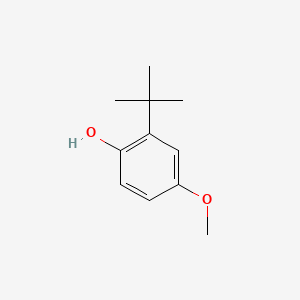
BHA, or butylated hydroxyanisole, is a mixture of two closely related methoxyphenols: 3-tert-butyl-4-hydroxyanisole is the main component and 2-tert-butyl-4-hydroxyanisole is present in a smaller amount. It is not the beta-hydroxy-acid group used in exfoliating products; here, BHA names this antioxidant mixture.
BHA: what it is
BHA, or butylated hydroxyanisole, is a mixture of two closely related methoxyphenols: 3-tert-butyl-4-hydroxyanisole is the main component and 2-tert-butyl-4-hydroxyanisole is present in a smaller amount. It is not the beta-hydroxy-acid group used in exfoliating products; here, BHA names this antioxidant mixture.
Butylated hydroxyanisole is made by chemical synthesis, and the combination of its isomers distinguishes it from a plant raw material or an exfoliating acid. That distinction is useful on an ingredient list: the name refers to a formulation ingredient added in a small amount to perform a technical role in the product.
BHA: what it does in cosmetics
As an antioxidant, BHA is used to help slow the oxidation of sensitive formula components, especially materials that could change in smell or quality over time. For a shopper, its plausible benefit is helping the preparation remain stable, rather than providing exfoliation or directly treating the skin.
BHA may also be included for a fragrance-related purpose, meaning its contribution concerns the cosmetic's scent profile. That use does not make it a facial-care active: studies in which BHA was fed to rats examined a different exposure route and concentrations far removed from topical cosmetic use, so they do not show a skin-treatment effect.
Products containing this ingredient
See which products include it and the name used in each composition.