BETA-CARYOPHYLLENE
BETA-CARYOPHYLLENE, also known as beta-caryophyllene, is a sesquiterpene, an aromatic substance built from terpene units found in nature. It is a pale-yellow oily liquid with an odour described as lying between clove and turpentine, so it may appear in fragranced products even when the finished product does not smell distinctly of clove.
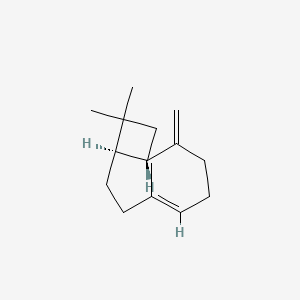
BETA-CARYOPHYLLENE: what it is
BETA-CARYOPHYLLENE, also known as beta-caryophyllene, is a sesquiterpene, an aromatic substance built from terpene units found in nature. It is a pale-yellow oily liquid with an odour described as lying between clove and turpentine, so it may appear in fragranced products even when the finished product does not smell distinctly of clove.
The most common form of beta-caryophyllene occurs in many essential oils, particularly clove oil. The ingredient list alone does not reveal which plant, if any, supplied it in a particular product: it may be part of an aromatic blend or obtained by another route suitable for the formulation.
BETA-CARYOPHYLLENE: what it does in cosmetics
In cosmetics, beta-caryophyllene is used chiefly as part of a fragrance composition. It helps build the product's scent and can contribute dry, woody or spice-like facets; the fragrance a person notices depends on the combination and amount of the other perfume ingredients.
It may also be used for skin conditioning, meaning inclusion in a product intended to leave the skin feeling and looking pleasant. Its presence alone does not make it a treatment for inflammation, acne or any other condition: findings obtained outside a topical cosmetic do not establish the effect of a finished formula on skin.
BETA-CARYOPHYLLENE: conditions and care
In the European Union, beta-caryophyllene must be named on the label when it exceeds 0.001% in leave-on products or 0.01% in rinse-off products.
Restrictions and conditions of use
Products containing this ingredient
See which products include it and the name used in each composition.