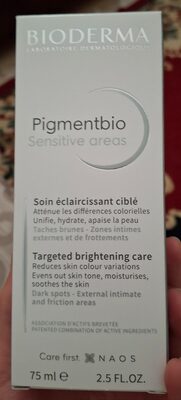
AZELAIC ACID
Azelaic acid is a saturated dicarboxylic acid. It occurs naturally in cereals such as wheat, rye, and barley, and it can also be produced by Malassezia furfur, a yeast found on human skin. It is a defined molecule, rather than a whole-grain extract or a complete vegetable oil.
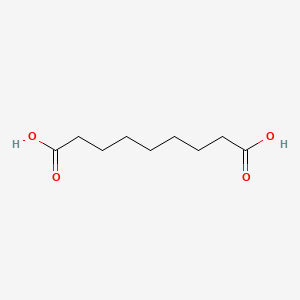
AZELAIC ACID: what it is
Azelaic acid is a saturated dicarboxylic acid. It occurs naturally in cereals such as wheat, rye, and barley, and it can also be produced by Malassezia furfur, a yeast found on human skin. It is a defined molecule, rather than a whole-grain extract or a complete vegetable oil.
Industrial azelaic acid can be made through the oxidative cleavage of fatty acids, including oleic acid. For that reason, its appearance on an ingredient list does not by itself identify the raw material used for that product: the name identifies the same compound regardless of its production route.
AZELAIC ACID: what it does in cosmetics
In cosmetics, azelaic acid can serve as a buffer, helping control and maintain the product's pH. That adjustment is a property of the preparation itself and helps keep it within its intended acidity range. When it is used as a fragrance, its expected contribution is olfactory: it relates to the scent of the composition.
Azelaic acid also occurs in topical medicinal preparations with their own concentrations and intended uses. That clinical literature does not automatically make a cosmetic a treatment for acne, rosacea, dark spots, or any other condition; outcomes from a medicine depend on the studied formulation and use, not simply on the ingredient name appearing in a list.
Products containing this ingredient
See which products include it and the name used in each composition.