AMYL CINNAMAL
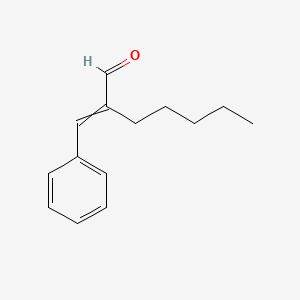
AMYL CINNAMAL is a defined aromatic substance used in cosmetic perfumery. Its name does not mean cinnamon powder or cinnamon essential oil: it identifies a fragrance molecule, known in chemical literature as 2-benzylideneheptanal, selected for the scent it can add to a finished product.
AMYL CINNAMAL: what it is
AMYL CINNAMAL is a defined aromatic substance used in cosmetic perfumery. Its name does not mean cinnamon powder or cinnamon essential oil: it identifies a fragrance molecule, known in chemical literature as 2-benzylideneheptanal, selected for the scent it can add to a finished product.
It may occur in flower oils and may also be included in a perfume composition prepared for a cosmetic. Seeing AMYL CINNAMAL on a label therefore does not, by itself, identify the raw material or production route for that product; it identifies this particular fragrant component, which may be one part of a broader fragrance blend.
AMYL CINNAMAL: what it does in cosmetics
In cosmetics, AMYL CINNAMAL is used for perfuming: it contributes to the smell noticed during application and can be part of the fragrance left by a product on skin or hair. In a formula it works alongside other fragrance materials; the expected effect is olfactory, rather than moisturising, treating skin, or changing a cream's texture.
The name is especially useful to people who already know they are sensitive to fragrance ingredients. Individual label identification makes this component easier to spot than the broad term “parfum”; for someone without a known sensitivity, its presence alone does not predict how a product will react on every person.
AMYL CINNAMAL: conditions and care
In the European Union, AMYL CINNAMAL must be individually listed above 0.001% in leave-on products and above 0.01% in rinse-off products. People who already know they are allergic to this ingredient should avoid products that list it.
Restrictions and conditions of use
Products containing this ingredient
See which products include it and the name used in each composition.