ALUMINUM ZIRCONIUM TETRACHLOROHYDREX GLY
ALUMINUM ZIRCONIUM TETRACHLOROHYDREX GLY is an aluminium-zirconium complex made by reacting aluminium zirconium tetrachlorohydrate with glycine, an amino acid. It is therefore neither a botanical substance nor an extract: it is a prepared ingredient intended for products applied to the underarm area.
ALUMINUM ZIRCONIUM TETRACHLOROHYDREX GLY: what it is
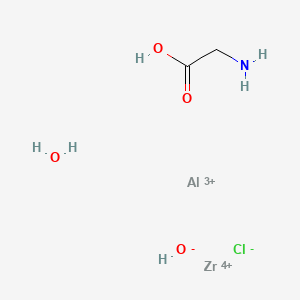
ALUMINUM ZIRCONIUM TETRACHLOROHYDREX GLY is an aluminium-zirconium complex made by reacting aluminium zirconium tetrachlorohydrate with glycine, an amino acid. It is therefore neither a botanical substance nor an extract: it is a prepared ingredient intended for products applied to the underarm area.
The "Gly" part of the name indicates glycine in the complex. It belongs to the aluminium-zirconium chloride hydroxide complex group, but it is not the same as the simpler aluminium salts found in other antiperspirants. That compositional difference helps distinguish very similar names on an ingredient list.
ALUMINUM ZIRCONIUM TETRACHLOROHYDREX GLY: what it does in cosmetics
ALUMINUM ZIRCONIUM TETRACHLOROHYDREX GLY is used mainly in antiperspirant deodorants. In everyday terms, it is intended to reduce sweat production where the product is applied, which can help keep underarms less wet through the day.
The expected benefit is local perspiration control, not treatment for excessive sweating or skin disease. Research and rules for antiperspirants concern topical use in the finished product; they do not support promises about wrinkles, acne, dark spots, or other cosmetic goals unrelated to perspiration.
ALUMINUM ZIRCONIUM TETRACHLOROHYDREX GLY: conditions and care
In antiperspirants, this complex must meet the applicable limits. European rules prohibit it in aerosol dispensers and say not to apply it to irritated or damaged skin.
Restrictions and conditions of use
Products containing this ingredient
See which products include it and the name used in each composition.