ACETYLCEDRENE
ACETYLCEDRENE, also known as acetyl cedrene, is a single organic compound used in perfumery. Its structure has a tricyclic carbon skeleton, which sets it apart from an essential oil: rather than a blend of many aromatic substances, it is a defined substance that can be part of a fragrance composition.
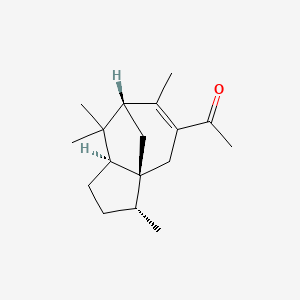
ACETYLCEDRENE: what it is
ACETYLCEDRENE, also known as acetyl cedrene, is a single organic compound used in perfumery. Its structure has a tricyclic carbon skeleton, which sets it apart from an essential oil: rather than a blend of many aromatic substances, it is a defined substance that can be part of a fragrance composition.
Its name recalls cedrene, a related aromatic compound, but acetylcedrene is not another name for cedar oil. That distinction matters when reading an ingredient list: seeing acetylcedrene does not establish that a product contains cedar oil or carries properties associated with that oil.
ACETYLCEDRENE: what it does in cosmetics
In cosmetics, acetylcedrene is used for perfuming. In everyday terms, it contributes to the scent composition that gives a product its smell, whether it is a fragrance, body-care product, or another scented cosmetic; it is not added to moisturise, exfoliate, or treat the skin.
This role concerns the formula's aroma, not a clinical benefit of acetylcedrene for skin or hair. Someone seeking a product because of this ingredient should expect a fragrance contribution, not a treatment active. The available skin-sensitisation classification for the substance also makes it inappropriate to present as a care ingredient for reactive skin.
ACETYLCEDRENE: conditions and care
Acetylcedrene has a Skin Sensitisation Category 1B classification. This indicates a potential to cause an allergic skin reaction and does not, by itself, establish a use concentration for every cosmetic.
Products containing this ingredient
See which products include it and the name used in each composition.