ALOE BARBADENSIS
Aloe barbadensis, a botanical name also accepted as Aloe vera, appears in ingredient lists in forms that identify different plant parts and processing. Leaf Juice is liquid expressed from the leaf; Leaf Juice Powder is dried juice; Leaf Powder comes from the dried and ground leaf itself; Leaf Water is the aqueous leaf distillate.
What it is
Aloe barbadensis, a botanical name also accepted as Aloe vera, appears in ingredient lists in forms that identify different plant parts and processing. Leaf Juice is liquid expressed from the leaf; Leaf Juice Powder is dried juice; Leaf Powder comes from the dried and ground leaf itself; Leaf Water is the aqueous leaf distillate.
Leaf Extract and whole-plant extract are separate preparations. Other names identify flowers, sprouts, cultured callus, phytoplacenta cells, isolated polysaccharides, and fermentation filtrates. The full name shows which material is present.
What it does in a formula
Functions vary by form. Juice, juice powder, leaf powder, and whole-plant extract are used for skin conditioning; leaf extract also carries humectant, emollient, and oral-care functions. Leaf Water and unprocessed leaf material are classified for fragrance.
Leaf polysaccharides are classified for film forming, humectancy, and conditioning. Callus and cell-culture extracts are antioxidants; fermented forms may carry exfoliating, conditioning, or antioxidant functions depending on the specific name.
Aloe barbadensis forms and their differences
Leaf, juice, extract, powder, distilled water, and ferment do not describe the same material. Compare the plant part and processing identified by each name.
LEAF JUICE
Juice expressed directly from the leaves.
It is leaf liquid, not an extract or distillate.
Skin conditioning.
Related spellings: ALOE BARBADENSIS GEL
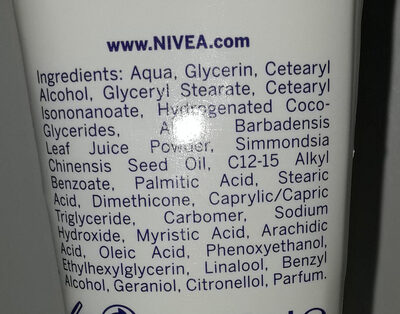
LEAF JUICE POWDER
Powder made by drying leaf juice.
It starts from juice, not from the whole ground leaf.
Skin conditioning.
LEAF POWDER
Dried and ground leaf.
It comes from the whole leaf rather than dried juice.
Skin conditioning.
LEAF WATER
Aqueous solution of the steam distillate from the leaves.
It is a distillate, not expressed leaf juice.
Fragrance.
LEAF EXTRACT
Extract prepared from the leaves.
The plant part is the leaf; Aloe Barbadensis Extract uses the whole plant.
Conditioning, humectancy, emollience, and oral care.
WHOLE-PLANT EXTRACT
Extract of the whole plant.
Its material is not limited to the leaf.
Skin conditioning.
FLOWER EXTRACT / FLOWER WATER
Flower extract or aqueous solution of the flower steam distillate.
Extract and Water identify different processing of the flower.
Emollient or humectant conditioning depending on the form.
LEAF POLYSACCHARIDES
Polysaccharide fraction isolated from the leaf.
It is an isolated fraction rather than whole leaf, juice, or extract.
Film forming, humectancy, and conditioning.
LEAF FERMENT FILTRATES
Filtrates obtained after spontaneous leaf fermentation, with or without sucrose.
Fermentation separates them from non-fermented juices and extracts.
Exfoliating and conditioning, or antioxidant function in the sucrose form.
CALLUS MATERIALS
Extracts or powder obtained from cultured Aloe barbadensis callus.
The material comes from cell culture rather than harvested leaf.
Antioxidant function; some forms are also skin protecting.
PHYTOPLACENTA EXTRACT / SPROUT
Extract of phytoplacenta cells or the plant sprout.
They identify specific young tissues rather than leaf or whole plant.
Humectancy and skin conditioning.
ALOE BARBADENSIS LEAF
Leaf plant material without an extract, juice, or distillation qualifier.
The plain name should not be confused with processed forms.
Fragrance.
Related spellings: ALOE BARBADENSIS (ALOE VERA)
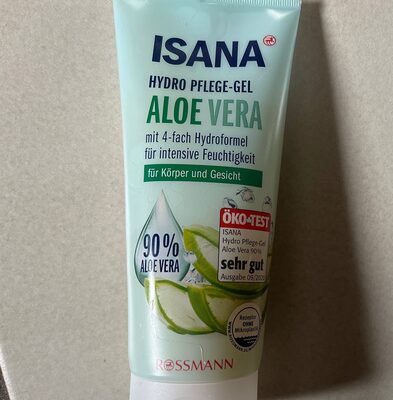
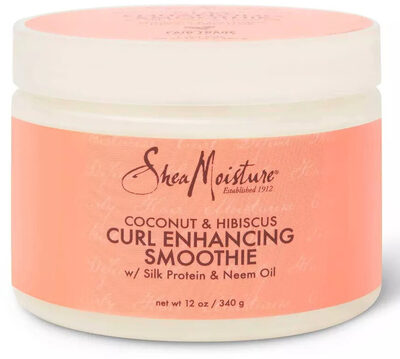
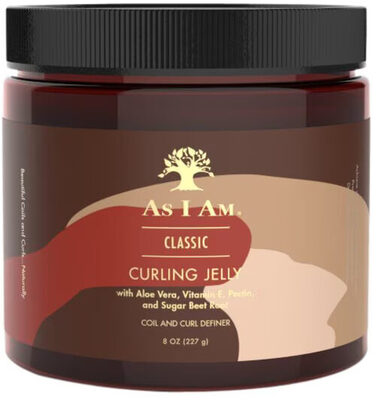
Products containing this ingredient
See which products include it and the name used in each composition.